Schedule Your Consultation
with Dr. Prasad Today



How TrichoStem®
Hair Regeneration Works

TrichoStem® Hair Regeneration reactivates hair that is viable but not growing
TrichoStem® Hair Regeneration thickens hair that is thinning from Androgenetic Alopecia.
TrichoStem® Hair Regeneration appears to optimize the scalp to allow damaged hair and previous transplants to regrow


.png)

“Excellent results with TrichoStem® Hair Regeneration...You won’t regret it.”
– F.R.
How TrichoStem®
Hair Regeneration Works
TrichoStem® Hair Regeneration reactivates hair that is viable but not growing
TrichoStem® Hair Regeneration thickens hair that is thinning from Androgenetic Alopecia.
TrichoStem® Hair Regeneration appears to optimize the scalp to allow damaged hair and previous transplants to regrow
“Excellent results with TrichoStem® Hair Regeneration...You won’t regret it.”
– F.R.
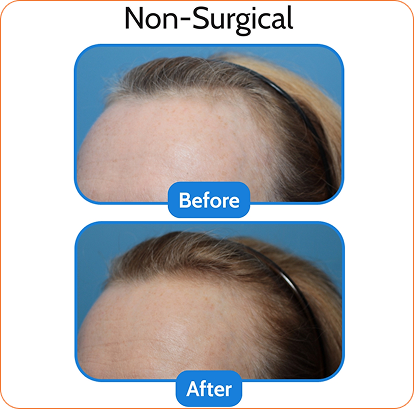
A Unique Non-Surgical
Treatment for Hair Loss
The TrichoStem® Hair Regeneration treatment is a non-surgical method of treating hair loss and hair thinning. Dr. Prasad developed customized formulations and delivery methods as the foundation of TrichoStem® Hair Regeneration. Your individual treatment may include:
.avif)
.avif)
.avif)
.svg)
.svg)


.png)
Hair Loss in Men -
What is DHT?
Dihydrotestosterone (DHT) is a major factor in male pattern hair loss. Dihydrotestosterone is a derivative of testosterone and causes hair to thin in men. It’s a common myth that men who lose hair have too much testosterone. In reality, it’s not the level of testosterone but rather the genetic sensitivity of the hair follicle to dihydrotestosterone (DHT).
.png)
Dihydrotestosterone (DHT) is an important contributing factor to progressive scalphair thinning in men. Meta: Dihydrotestosterone or DHT is a major factor in hair thinning in men with a scalp sensitivity to the hormone.
Is DHT the Only Cause for
Male Pattern Hair Loss?
DHT-sensitivity is not the only cause of male pattern hair loss. DHT-blockers can block DHT-formation by inhibiting the enzyme 5-alphareductase that converts testosterone into dihydrotestosterone. However, even with daily DHT-blocker use for years to block DHT from forming, hair continues to thin but at a slower rate.
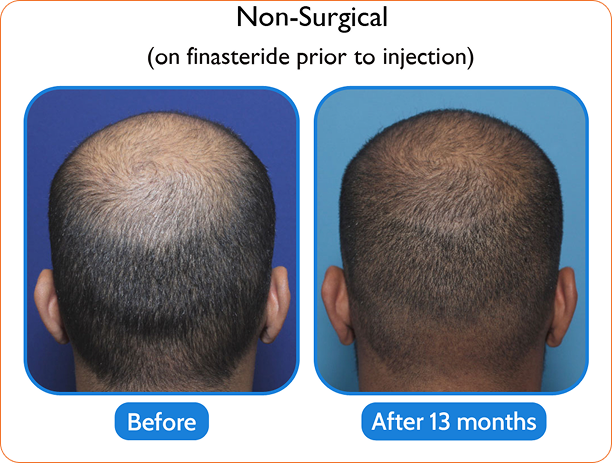
As seen in the Before image, hair thinning still continues while on a DHT-blocker. TrichoStem® Hair Regeneration can go beyond a DHT-blocker by reactivating dormant hair and thickening your thinning hair.
.png)
Patients taking a DHT-blocker for over 10 years see increased hair thickness, and scalp coverage with just one treatment of TrichoStem® Hair Regeneration
Already on a DHT-blocker?
Although a DHT-blocker can slow down hair loss progression, it does not appear to regrow all of your hair.The TrichoStem® Hair Regeneration treatment goes beyond just a DHT-blocker alone to reactivate and thicken thinning hair. In our experience, it’s not unusual for men taking a DHT-blocker for over 5 years to see substantial improvement soon after the TrichoStem® Hair Regeneration treatment. DHT-blockers block DHT-formation, but DHT-sensitivity is not the only factor in male pattern hair loss. Many men taking a DHT-blocker alone don’t see results. TrichoStem® Hair Regeneration has helped men who have been taking a DHT-blocker realize that they had more hair than they assumed. They appreciate having better coverage with more hair and thicker hair - without surgery.
Can Hair Transplant Results in
Men be Improved?
Hair transplants do not treat progressive hair thinning. Hair thinning continues after hair transplant surgery. Follicular unit extraction transplants, or FUE hair grafts are prone to hair thinning due to the wide area of graft harvesting. (Need to show this)
We’ve observed that transplanted hair does not continue to grow as expected years after transplant surgery. Men experiencing this often assume that they need more surgery. TrichoStem® Hair Regeneration has been used to reactivate the growth of transplanted hair, even hair that was transplanted over 30 years prior.
.png)
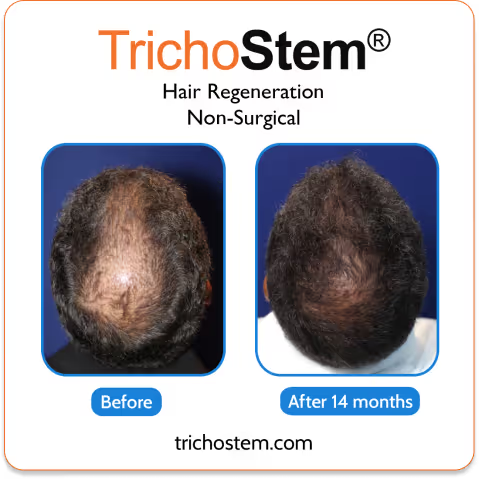
Men with multiple hair transplants, and on a DHT-blocker for years can still reactivate and thicken both native and transplanted hair with TrichoStem® Hair Regeneration
The TrichoStem® Hair Regeneration treatment can help men who take a DHT-blocker, and have had multiple hair transplants. This patient had multiple hair transplants, and was on a DHT-blocker for 5 years. His native hair, and hair grafts progressively thinned, resulting in poor scalp coverage. TrichoStem® Hair Regeneration treatment resulted in better scalp coverage and more natural looking hair density.

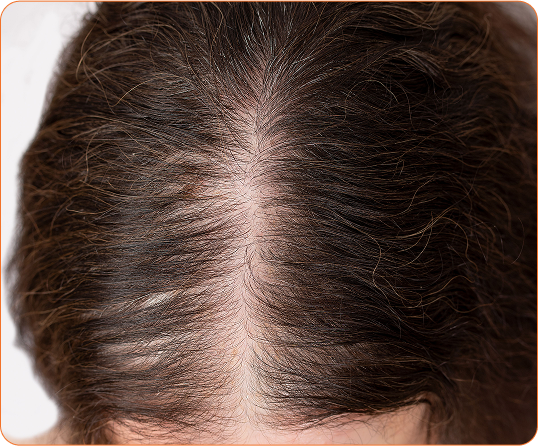
Can Women Have Hair Transplant Surgery?
Female pattern hair loss is characterized by a diffuse pattern of loss. This means that thinning hairs are close together, so a surgical hair transplant using a sharp implanter can damage existing hair follicles permanently, causing more hair loss (collateral loss). Most women are not good candidates for hair transplant.
.png)
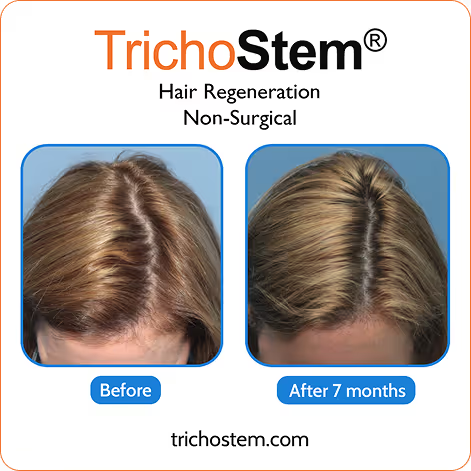
Women with pattern hair loss have sustained long-term benefit from TrichoStem® Hair Regeneration.
Is There a Highly Effective Treatment
for Female Pattern Hair Loss?

Women from around the world have enjoyed the benefits of more hair coverage withTrichoStem® Hair Regeneration. Our treatment successfully regrows and thickens hair, resulting in improved scalp coverage in areas commonly affected by hair thinning, such as the hair part, crown and temples. TrichoStem® Hair Regeneration is effective in over 99% of cases of female pattern hair loss we’ve treated.
Contact Us
Oops! Something went wrong while submitting the form.
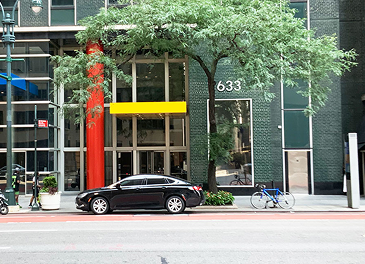
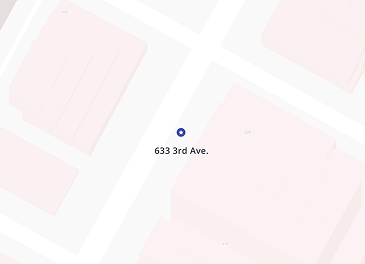
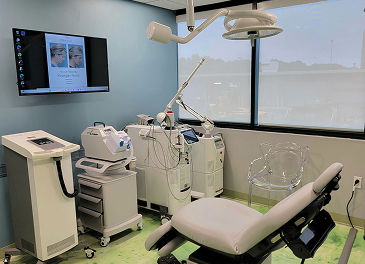
Explore Our Locations




.svg)
.svg)


.avif)


%201.png)






FOLLOW US

.svg)
.svg)
.svg)