Schedule Your Consultation
with Dr. Prasad Today



Limitations of
Hair Loss Drugs

DHT-blocker is mostly limited to slowing hair thinning in men, but falls short with thickening thinning hair
A growth cycle prolonging medication doesn't treat thinning hair at all
Delaying hair shedding with a growth cycle prolonging medication use is not sustainable long-term

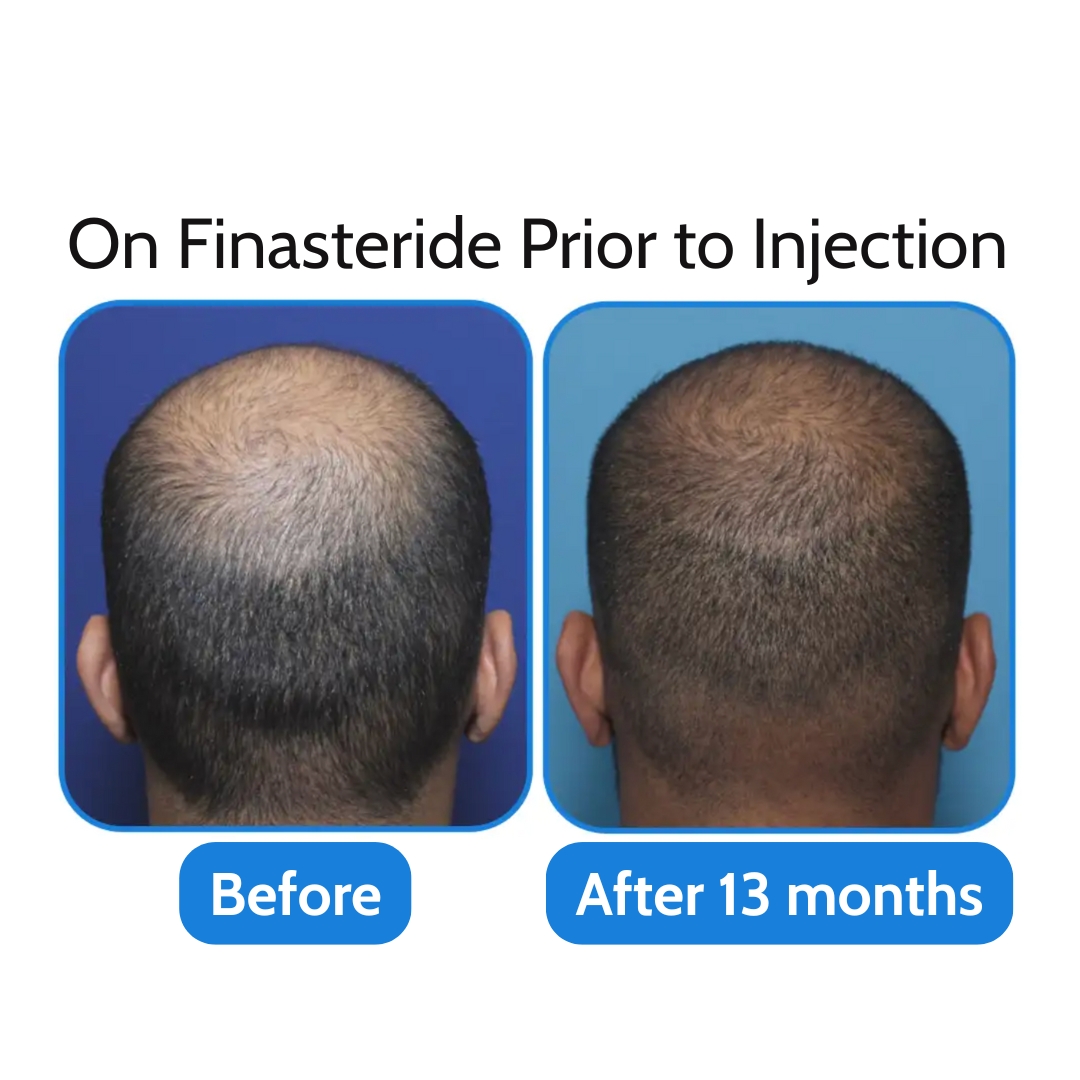

“It's honestly life-changing, great stuff. Would recommend to anyone.”
– T.D.
Limitations of
Hair Loss Drugs

Finasteride is mostly limited to slowing hair thinning in men, but falls short with thickening thinning hair
A growth cycle prolonging medication doesn't treat thinning hair at all
Delaying hair shedding with a growth cycle prolonging medication use is not sustainable long-term
“It's honestly life-changing, great stuff. Would recommend to anyone.”
– T.D.
Growth Cycle Prolonging Medication
Growth Cycle Prolonging Medication

A growth cycle prolonging medication was a drug first used to treat blood pressure and based on side effects, later used to treat hair loss. A growth cycle prolonging medication is a topical application used directly on the scalp, and can be used by men and women. It is most popularly sold under the brands Rogaine and Regaine in 2% concentrations for both men and women, and 5% for men. A growth cycle prolonging medication works by extending the hair growth cycle, and delaying the hair shedding cycle, so more hair is present on the head at a given time. How the drug achieves this is not exactly known, but it is believed to be linked to its blood circulation properties. A growth cycle prolonging medication does not stop or delay hair thinning, nor does it make hair thicker.
Growth Cycle Prolonging Medication Effectiveness
A growth cycle prolonging medication, which is most often used as a topical application, doesn’t thicken thinning hair. A growth cycle prolonging medication appears to work by delaying the natural hair shedding cycle, and prolonging the growth cycle so there is more hair on the scalp, so hair appears fuller. When a growth cycle prolonging medication works, it does take time for results to be noticeable. However, if a growth cycle prolonging medication use is stopped, or if its effectiveness wanes over time, hair delayed from shedding can suddenly shed all at once. Losing gains from a growth cycle prolonging medication with time makes it a wasteful, and unsustainable treatment for female pattern hair loss.
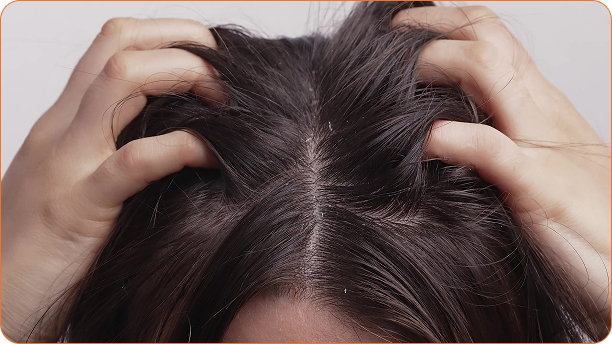
Growth Cycle Prolonging Medication Side Effects
Irritation, redness, and itchiness of the scalp
Dryness and flaking of the scalp
Greasy hair, but this problem has been reduced with its lighter foam version
Growth Cycle Prolonging Medication's blood pressure effects can lead to:
Growth Cycle Prolonging Medication's blood pressure effects
can lead to:
Increased heart rate
Chest pains
Headaches and dizziness
Difficulty of breath
.png)
DHT-blocker (Propecia)
DHT-blocker, often under the brand name Propecia, is an inhibitor of the enzyme 5-alpha reductase. DHT-blocker is an oral pill taken daily, in a 1 mg concentration for hair loss. A 5mg concentration of DHT-blocker is used to treat enlarged prostates. 5-alpha reductase converts the hormone testosterone to dihydrotestosterone (DHT), which affects men with DHT-sensitive hair follicles. Hair follicles affected by DHT grow progressively thinner with each hair growth cycle, and eventually disappear if left untreated. By blocking the conversion of testosterone to DHT, DHT-blocker can slow hair thinning, and in some cases have a slight effect on thickening thinning hair in men. Depending on the study, DHT-blocker is beneficial in about 50% to almost 60% of men taking the drug. DHT-blocker is FDA-approved for men, and Dr. Prasad only prescribes it for male patients. Some doctors prescribe DHT-blocker to women, but even with elevated DHT-levels, women do not have a significant level of DHT in their systems.
Finasteride (Propecia)
Finasteride, often under the brand name Propecia, is an inhibitor of the enzyme 5-alpha reductase. Finasteride is an oral pill taken daily, in a 1 mg concentration for hair loss. A 5mg concentration of finasteride is used to treat enlarged prostates. 5-alpha reductase converts the hormone testosterone to dihydrotestosterone (DHT), which affects men with DHT-sensitive hair follicles. Hair follicles affected by DHT grow progressively thinner with each hair growth cycle, and eventually disappear if left untreated. By blocking the conversion of testosterone to DHT, finasteride can slow hair thinning, and in some cases have a slight effect on thickening thinning hair in men. Depending on the study, finasteride is beneficial in about 50% to almost 60% of men taking the drug. Finasteride is FDA-approved for men, and Dr. Prasad only prescribes it for male patients. Some doctors prescribe finasteride to women, but even with elevated DHT-levels, women do not have a significant level of DHT in their systems.
DHT-Sensitivity in Men
DHT-sensitivity is a major factor in male pattern hair loss, and is medically known as androgenetic alopecia, or androgenic alopecia. About 95% of all hair loss cases are cases of androgenetic alopecia. DHT disrupts the normal hair growth cycle from the roots of the hair follicles (dermal papillae) in men with scalp DHT-sensitivity. Hair follicles have androgen (hormone) receptors. Level of DHT-sensitivity varies in men. Men with earlier onset of pattern hair loss such as in their 20s or 30s, and rapid hair thinning have a higher level of DHT-sensitivity. Men who start hair thinning later such as in their 40s and older are less DHT-sensitive, and have a slower rate of hair thinning.
Importance of DHT-blocker in Treating Male Pattern Hair Loss
Importance of Finasteride in
Treating Male Pattern Hair Loss
As an effective DHT-blocker, DHT-blocker’s primary role in male pattern hair loss treatment is slowing hair thinning and hair loss progression. Although some men report increased hair thickness with DHT-blocker alone, thickening effects tend to be limited. For most men, expectations for DHT-blocker should be slowing, and stabilizing hair thinning.
Role of DHT-blocker for
TrichoStem® Hair Regeneration Patients
Role of Finasteride for TrichoStem® Hair Regeneration Patients
TrichoStem® Hair Regeneration is not a DHT-blocker, so it is not a replacement or alternative to DHT-blocker. That being said, patients on DHT-blocker for years have increased their hair growth, and hair thickness after the TrichoStem® Hair Regeneration treatment, so while DHT-sensitivity is a major factor in male pattern hair loss, it is not the only factor. DHT-blocker is part of the treatment plan for male TrichoStem® Hair Regeneration patients, especially for younger men with high DHT-sensitivity. Younger men who refuse to take DHT-blocker after the TrichoStem® Hair Regeneration treatment may not have the most optimal results, and results may last shorter than 3-5 years expected from female, and older male patients. While DHT-blocker is still prescribed to older male TrichoStem® Hair Regeneration patients for best results, older men with less
DHT-sensitivity have seen increased hair thickness and growth without taking DHT-blocker , with results lasting 3-5 years, or longer.
Actual Risk of Side Effects of DHT-blocker:
Actual Risk of Side Effects
of Finasteride:
Sexual side effects associated with DHT-blocker are very rare, occurring in less than 2% of men in initial studies. The benefits of DHT-blocker for men with pattern hair loss do outweigh the risk. If risks are experienced, DHT-blocker use should be stopped, and consultation with the prescribing doctor is needed. In Dr. Prasad’s experience prescribing DHT-blocker since the early 1990s, he has not seen any of his patients suffer from long-term side effects of DHT-blocker, and the few that did experience side effects were able to fully recover. It’s important to keep in mind that there other common causes of erectile dysfunction among men who have never taken DHT-blocker, which include: aging, stress, lack of exercise, smoking, excessive
alcohol use, and other factors that affect health, and sexual health.
Next Level Hair Loss Treatment
Next Level
Hair Loss Treatment
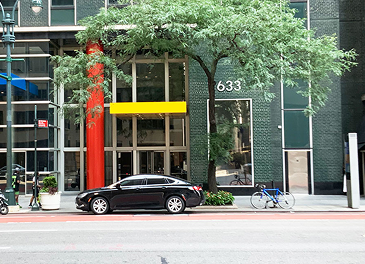
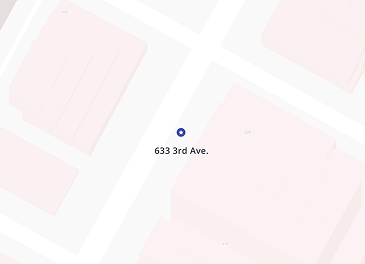
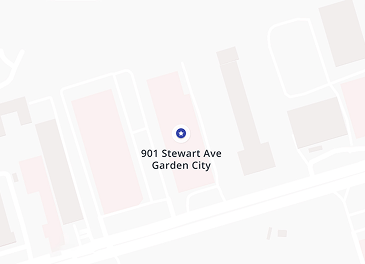
TrichoStem® Hair Regeneration can replace other hair loss treatments like a growth cycle prolonging medication, PRP, and even hair transplant surgery. While it cannot replace DHT-blocker completely in young men, it can thicken thinning hair, and stimulate healthier hair growth more than DHT-blocker alone. To learn more about TrichoStem® Hair Regeneration, a significant advancement in hair loss management, contact us in Manhattan, New York City at (212) 265-8877, Garden City, Long Island at (516) 742-4636, or Vienna, Virginia at (703) 356-1336, or fill out the contact form below so we can begin helping you with your hair loss.
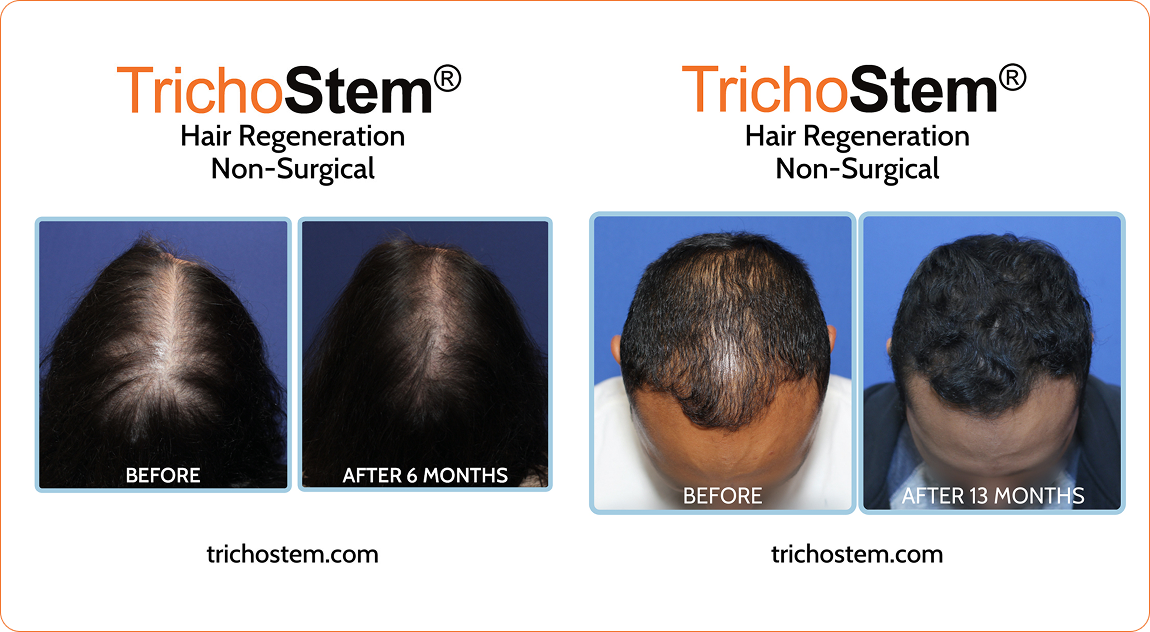


Results of TrichoStem Hair Regeneration on female pattern hair loss after 5 years, without needing a growth cycle prolonging medication
Contact Us
Oops! Something went wrong while submitting the form.
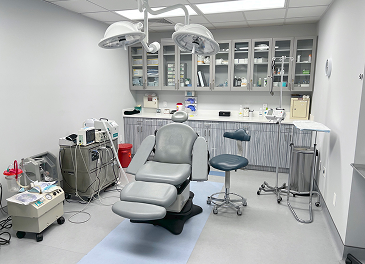
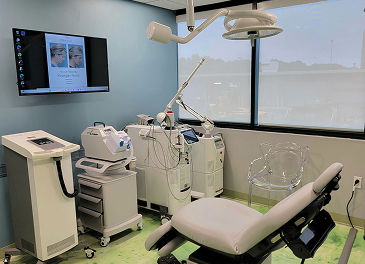
Explore Our Locations



.svg)
.svg)


.avif)


%201.png)



FOLLOW US

.svg)
.svg)
.svg)